Can we really just “shake it off”?
More people now understand the physiological impact of stress, so body movements might be the key to releasing momentary stress.

“Our bodies are the texts that carry the memories and therefore remembering is no less than reincarnation.”
— Katie Cannon
Do you find yourself clenching your jaw tightly when you are having a stressful day at work or school? Or do you find your palm clenched into a fist? Some people have other nervous tics that manifest during stressful events, like shaking their legs uncontrollably or picking their skin. Even when it isn’t as obvious, our bodies respond to external triggers, often using various parts as storage spaces for turbulent emotions. If emotions are stuck inside the body, can we shake them off? Was Taylor Swift on to something?
Shaking for emotional catharsis…
Unpleasant and uncomfortable feelings can often get bottled up and stored in your body. Sylvia Tillman, a Certified TRE® Provider, and the founder of What is the Alternative, explains, “When we are stressed, we tense up. And the body stores this tension in the muscles. Many people notice after a particularly stressful time, that psychosomatic pain is (re)appearing in the form of tension headaches, back pain, teeth grinding, gastrointestinal issues etc. These are all signs of stress when one tries to hold everything together/keeps a stiff upper lip, but this translates as physical pain. Much tension is stored in the psoas muscles, also called the muscle of the soul, as it holds many emotions.” Psychotherapist Nathaniel Branden, who wrote The Psychology of Self-Esteem advocates for accepting our feelings without exception, instead of disowning, denying, or repressing, which can lead to physical pain and issues.
Dr. Bessel van der Kolk's seminal work, The Body Keeps the Score, also points to the impact of trauma on our bodies. He asks, “How can people gain control over the residues of past trauma and return to being masters of their own ship?” The answer comes from bodywork practitioner, Licia Sky, who shares “you can’t fully recover if you don’t feel safe in your skin.”
Can literally shaking off negative emotions bring you to a place of equilibrium? This isn’t an unheard theory: we’ve seen our pets do it. Do you know how sometimes dogs or cats vigorously shake off their body? After a bath, an intense vet session or a confrontation with another dog or cat, our pets take their sweet time shaking from tip to toe and tail. It comes to them instinctively. It is, as we are learning, a primitive response mechanism that helps reset the tension and stress stored in the muscles.
How can humans more proactively incorporate this primitive response into their coping strategies for the stresses of everyday life? Tension & Trauma Releasing Exercises, or TRE for short, might be the answer. These exercises help regulate the nervous system by activating our innate reflexes (shaking or vibrating), which help calm it. The result? Emotional and physical equilibrium.
Meditation for people who don’t like to meditate
How do TRE exercises actually work? Tillman shares, “TRE is like an internal massage – with better effects as the shaking process reaches 'hidden' muscles that a massage therapist can't reach from the outside. TRE is also called meditation for people who don't like to meditate.”
At a time when healthcare resources are stretched thin, TRE provides an effective way for clients to take charge of their well-being and health. This is because TRE exercises can be learned and used throughout life; you only need to practice regularly for about 8-10 minutes every other day. Somatic tools like TRE are also a great option for people who either a) don’t find benefit in talk therapy, or b) want to use a mix of therapies, or c) feel like they have outgrown the benefits of talk therapy and seek a more holistic treatment plan.
As Tillman explains, “It's great to give our busy minds a rest and let the body do the work – especially as the majority of people are too much in their heads anyway, many feel disconnected from their bodies. The shaking mechanism of TRE resets the nervous system, and by practising on a regular basis, many people report having much more resilience [to stress].” TRE, therefore, isn’t just a curative therapy, but also a preventative one.
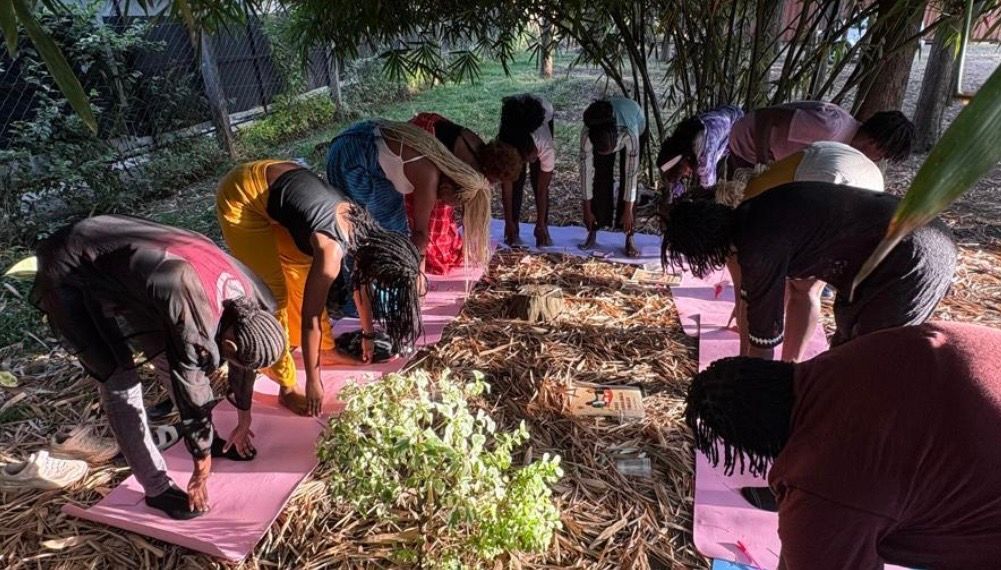
What do the exercises exactly look like? Tillman provides us with a peek into the exercise regimen, which begins with six warm-up exercises to fatigue the muscles and help with the tremoring process, followed by a floor sequence.
The importance of involving your physical body when healing from emotional or psychological distress
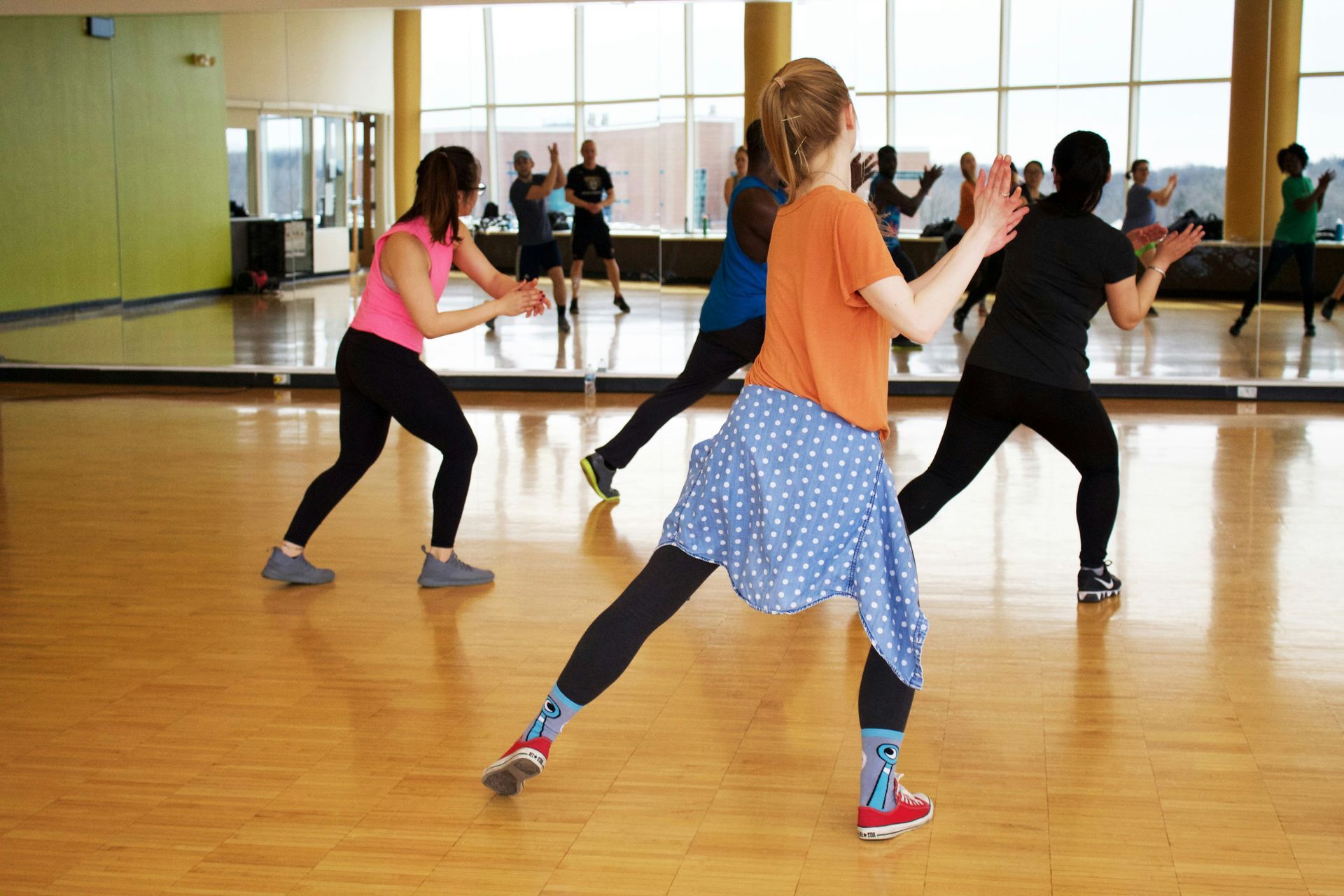
Photo by Danielle Cerullo on Unsplash
To borrow again from bodywork practitioner, Licia Sky as cited in Dr. van der Kolk’s book, “The body is physically restricted when emotions are bound up inside. People’s shoulders tighten, their facial muscles tense. They spend enormous energy on holding back their tears—or any sound or movement that might betray their inner state. When the physical tension is released, the feelings can be released. Movement helps breathing to become deeper, and as the tensions are released, expressive sounds can be discharged.”
Tillman reinforces this idea, “Tension held in the body can manifest as physical pain, e.g., headaches/migraines, back/shoulder/neck pain, teeth grinding, gastrointestinal issues, anxiety, irritability etc., typically psychosomatic pain, where your doctor checks you from top to bottom and tells you that you are absolutely fine or ‘it's all in the head.’”
As mentioned before, TRE can be a great alternative, as well as, complementary to cognitive therapies for a holistic healing plan. For many people, the brain is already working overtime, so relieving it while working with the body can be game-changing for those who are exhausted by stress.
TRE, explains Tillman, can also help discover subtle experiences and traumas. For example, when one arm is trembling more than the other, it provides space to explore why that might be. Our body remembers, and we owe it to ourselves to heal everywhere we store the memory of stress or trauma.
Alongside talk therapy, somatic modalities can facilitate bigger breakthroughs in the healing process.
Author Bio:
Kritika Narula is a writer, journalist, content marketer from Delhi, India. You can find her on Instagram and Threads, and on her website.
An earlier version of this article was published in the now-defunct IndigoBlue Magazine.
Cover Photo by ALEXANDRE DINAUT on Unsplash