
Offscreen, Not Offline: The Hidden Cost of Constant Notifications
Constant notifications are reshaping how our brains focus and rest. Chinasa Lovlyn Nwachukwu writes about phantom vibrations, burnout, and the hidden psychological cost of staying connected.
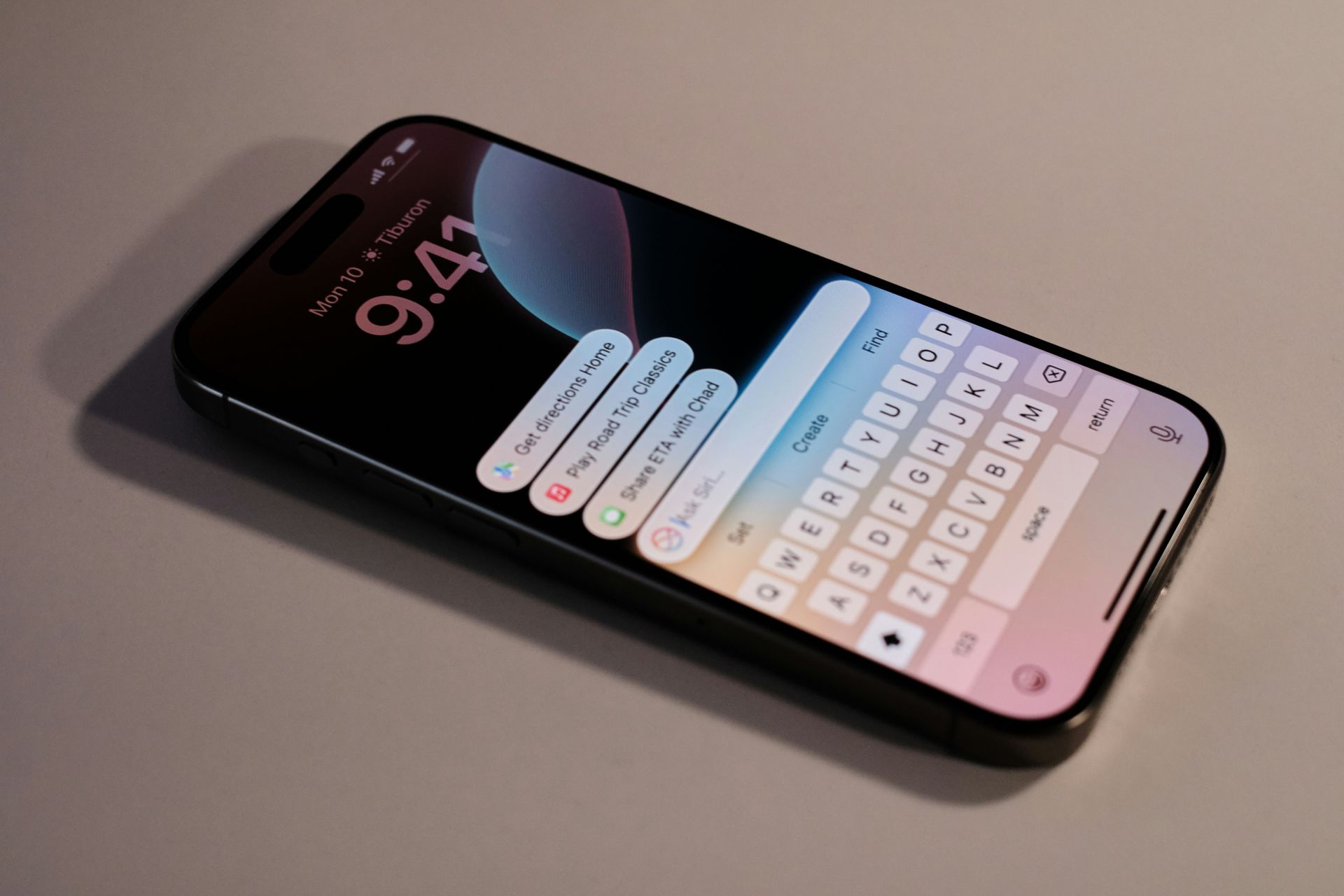
Photo by appshunter.io on Unsplash
Our phones are our constant companions, sitting in our palms everywhere we go, whether we’re on the move or sitting idle. If you live in a country like China, where nearly everything has been digitized, you’ll pay at restaurants with your phones, order rides through apps, and even mark attendance in class; the dependence is even more visible. It is almost impossible to go a full day without a phone.
Over time, this constant proximity has become so normal that it feels like an extension of us. And that brings us to a concerning byproduct of this proximity: the constant notifications that light up our phone screens, often followed by the urge to check who or what needs our immediate attention.
But did you know that notifications were never designed to be neutral?
Technology ethicist Tristan Harris has spoken extensively about how digital platforms are intentionally designed to capture and retain our attention. Notifications are structured by app creators to pull us back in, to create a sense of urgency, and to make us feel as though something important might be missed if we do not respond immediately. They are basically competing for our attention.
The Illusion of Digital Detox
Humans have a long history of creating problems and then inventing solutions to fix them. In this case, the problem is that we are constantly drawn to our phones, which disrupts our focus and presence. To compensate, we offer “digital detox”, which is packaged as a seemingly radical idea of intentionally stepping away from screens and giving ourselves distance from our devices.
Digital detox culture promises a break from endless scrolling, offering relief through as simple a task as staying off your phone and reducing screen time. However, the deeper issue isn’t just how much time we spend looking at screens. It’s the pull back into them, the falling back into the old habits, once the detox is over
On average, a smartphone user receives roughly 60 to 80 notifications every single day; for teens, this number can exceed 200. Even if you only check your phone for a fraction of those alerts, that still means dozens of interruptions daily, and that’s not including the times you were already on your phone or the times you picked it up even without a notification.
These pings and buzzes don’t just grab our attention. They fragment our focus and make sustained concentration harder to maintain.
Your Brain on Constant Anticipation
If you do not see the problem yet, let’s go deeper, all the way into the brain itself, because even when we put our phones aside, our brains stay online, waiting and anticipating the next notification.
The Phantom Vibration Syndrome (PVS), or the sensation that your phone is vibrating when it isn’t, is a very real phenomenon experienced by many people. In one early medical survey, almost 70% of adults who carry electronic devices reported experiencing phantom vibrations, with some experiencing them weekly or even daily. Other studies have found that phantom phone signals, like imagined vibrations or ring alerts, happen regularly and are more common in people who use their phones frequently.
This happens because when your brain expects something like a notification, it starts predicting it. Your nervous system becomes sensitized to the patterns of phone alerts, and even when there is no vibration, buzz, or ring, the brain can misinterpret other sensations as though a notification occurred.
This has likely happened to you. For instance, have you ever caught yourself rushing through your work just so you can quickly check your phone? Or paused what you were doing to check your phone because you thought you heard it ring? Or set your phone aside, but still feel the urge to look at it every few minutes just to see if a notification came through? That isn’t just a habit, it’s your brain in a state of hypervigilance, constantly scanning for cues it has learned to associate with reward or connection.
Let’s open another can of worms with the phenomenon of Continuous Partial Attention, which occurs when our brains keep scanning for updates or notifications while we try to focus on other tasks, leaving us mentally divided and less able to sustain attention.
The Psychological and Physical Cost Beyond Distraction
So, being constantly tied to your phone might not seem like a big deal. You may think, “I check my phone relentlessly, but it doesn’t really affect me.” In reality, this constant engagement is taking a toll on both your mind and body.
Psychological Costs
- Reduced deep focus: Even when you put your phone in another room, your thoughts often drift back to it, wondering who texted, whether an order you placed has arrived, or what notifications you might be missing. This distraction makes sustained concentration difficult.
- Increased anxiety: This is especially common when you keep receiving negative updates or are anxiously awaiting a specific response.
- Mental fatigue: Constantly being “on”, checking messages, emails, and notifications for other apps can lead to cognitive overload.
- Difficulty being present: Linked to continuous partial attention, when your mind is divided between the task at hand and your device, you start finding it hard to fully engage with people, tasks, or experiences.
Physical Costs
- Burnout: Managing constant notifications and device-based tasks can consume a large portion of your day, leaving little energy for other responsibilities. Additionally, chronic phone use can cause physical exhaustion, along with elevated cortisol levels(the stress hormone).
- Digital eye strain: Prolonged screen use can lead to headaches, dry eyes, and blurred vision.
- Poor sleep quality: You’ve probably heard that blue light exposure from screens can disrupt circadian rhythms, making it harder to fall asleep and reducing sleep quality.
- Neck and shoulder pain: Poor posture while using phones, craning your neck and hunching your shoulders can create chronic discomfort over time.
Our phones are designed to keep us connected, but the constant notifications come at a cost, not for the manufacturers or app designers, but for us, the users. Whether it’s the mental strain of continuous partial attention or the physical tension from hours spent online, the effects are real, pervasive, and often invisible. Self-awareness is the first step in recognizing just how much these little pings shape our daily lives.
About the Author:
Chinasa Lovlyn Nwachukwu is a mental health coach, writer, and the founder of My Mental Health and I (MMHI), a platform dedicated to creating culturally relevant digital content for mental health awareness. You can find her on
LinkedIn or through her
website.