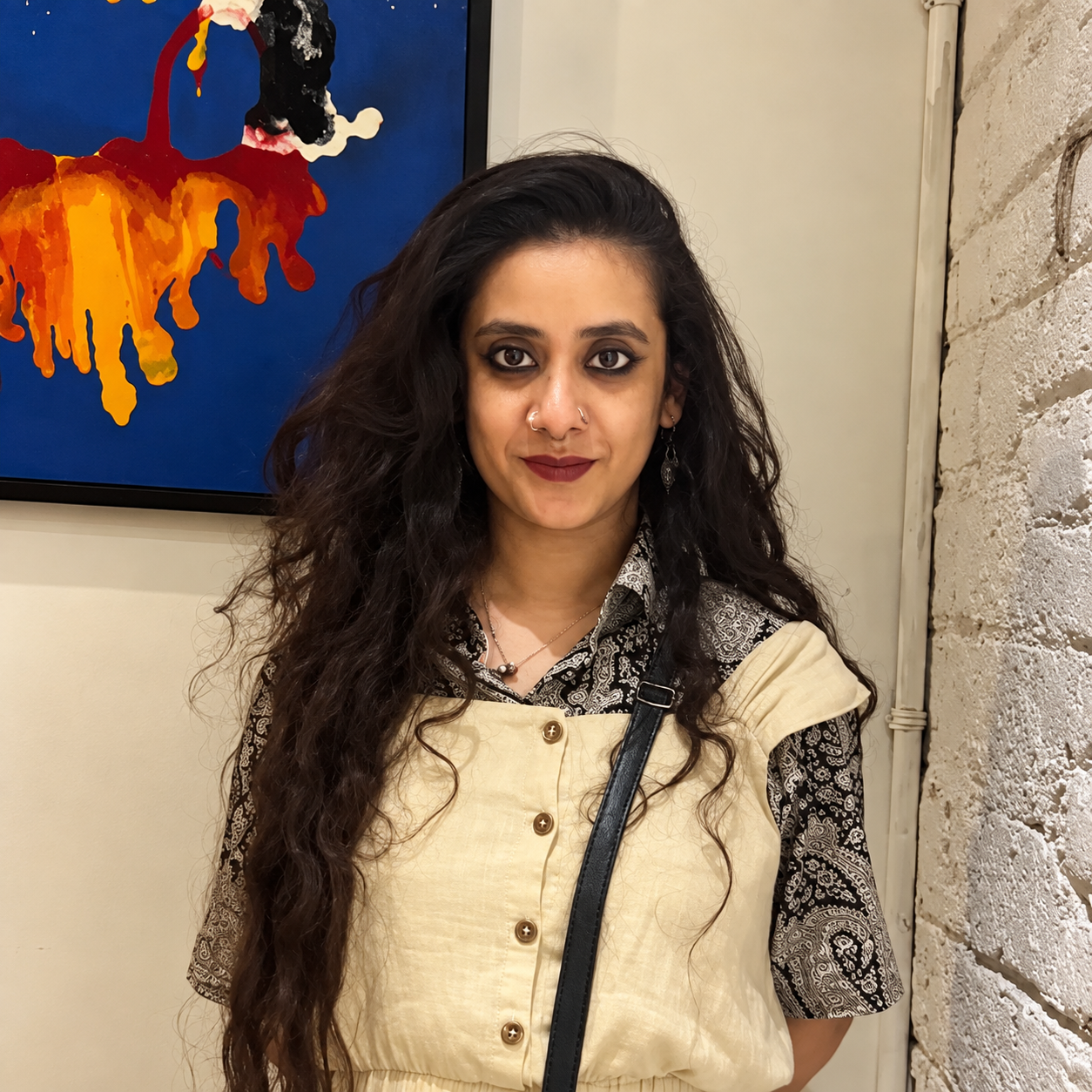
Kinza Jamal is a New Delhi-based decolonial activist, liberation writer, Sexual and Reproductive Health Rights and Justice (SRHR-J) practitioner, social worker and painter.
Kinza holds an undergraduate degree in Social Work from Amity University, Noida, completed in 2018, and a Master's degree in Gender Studies from Jamia Millia Islamia, completed in 2020.
Their academic and professional journey has centred on gender, violence, mental health, human rights, social justice and the experiences of marginalised communities.
I have worked in the social sector for
11 years now
with a diverse marginalized community trying to decolonise self and community work.
I actively advocate against gender-based violence and discrimination, with a focus on emotional violence, violence against women, children, and gender-diverse people. My practice foregrounds Diversity, Equity and Inclusion (DEI), adolescent and youth leadership, sexual and reproductive health rights and justice, and mental health and well-being.
Rooted in
collective liberation and trauma-informed care, my approach centers accessibility, leisure, rest, and vulnerability as essential components of feminist leadership and safe-space culture. I believe that sustainable activism requires community care, shared accountability, and space to breathe.
I am actively participating in the
deconstruction of dominant discourses to enable anti-oppressive dialogues, centring decolonial movements, grounded in the belief that liberation
must be
collective, intersectional, and community-held. My work seeks to
disrupt oppressive systems while nurturing spaces where marginalised young people can imagine, heal, and lead with dignity.
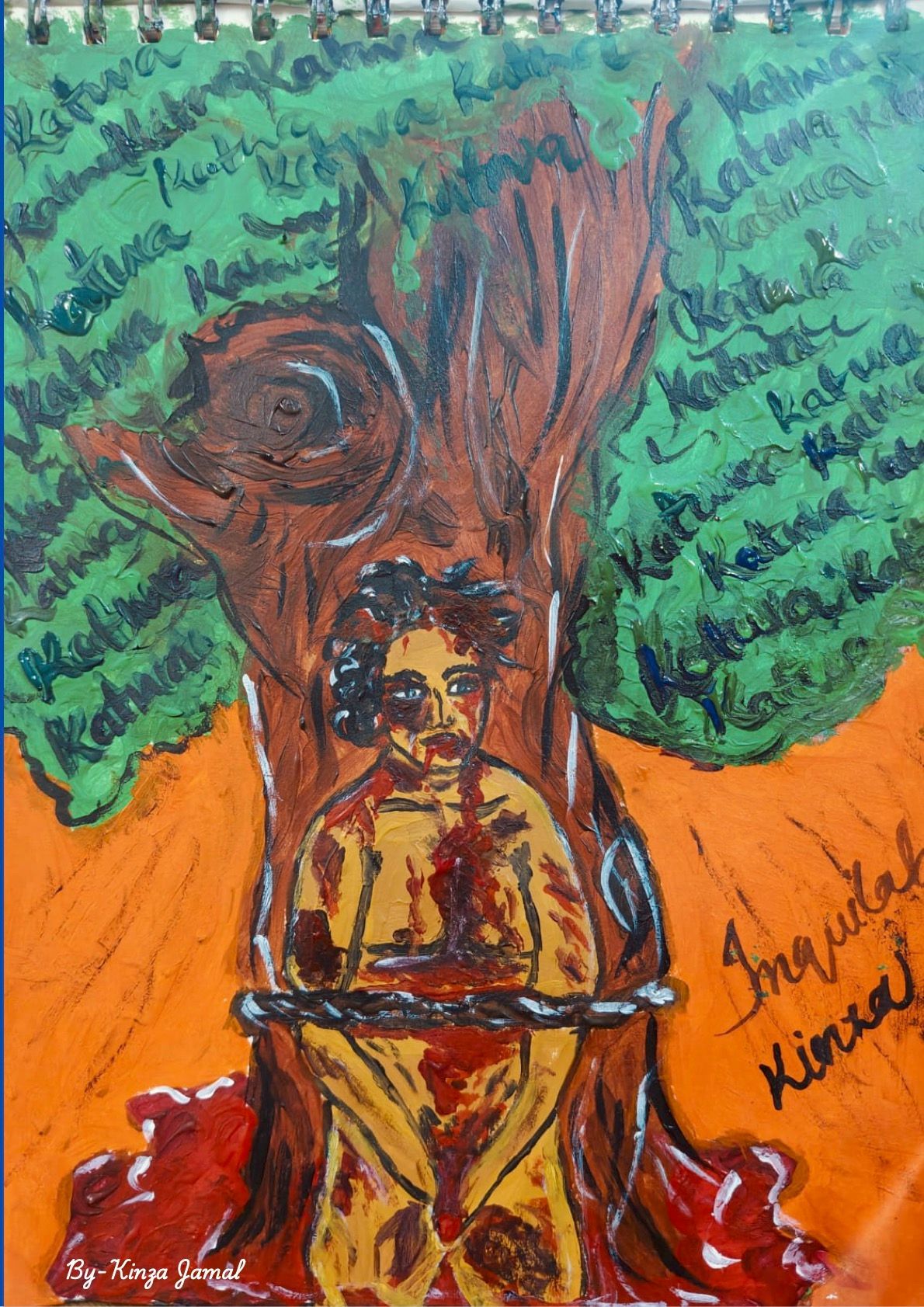
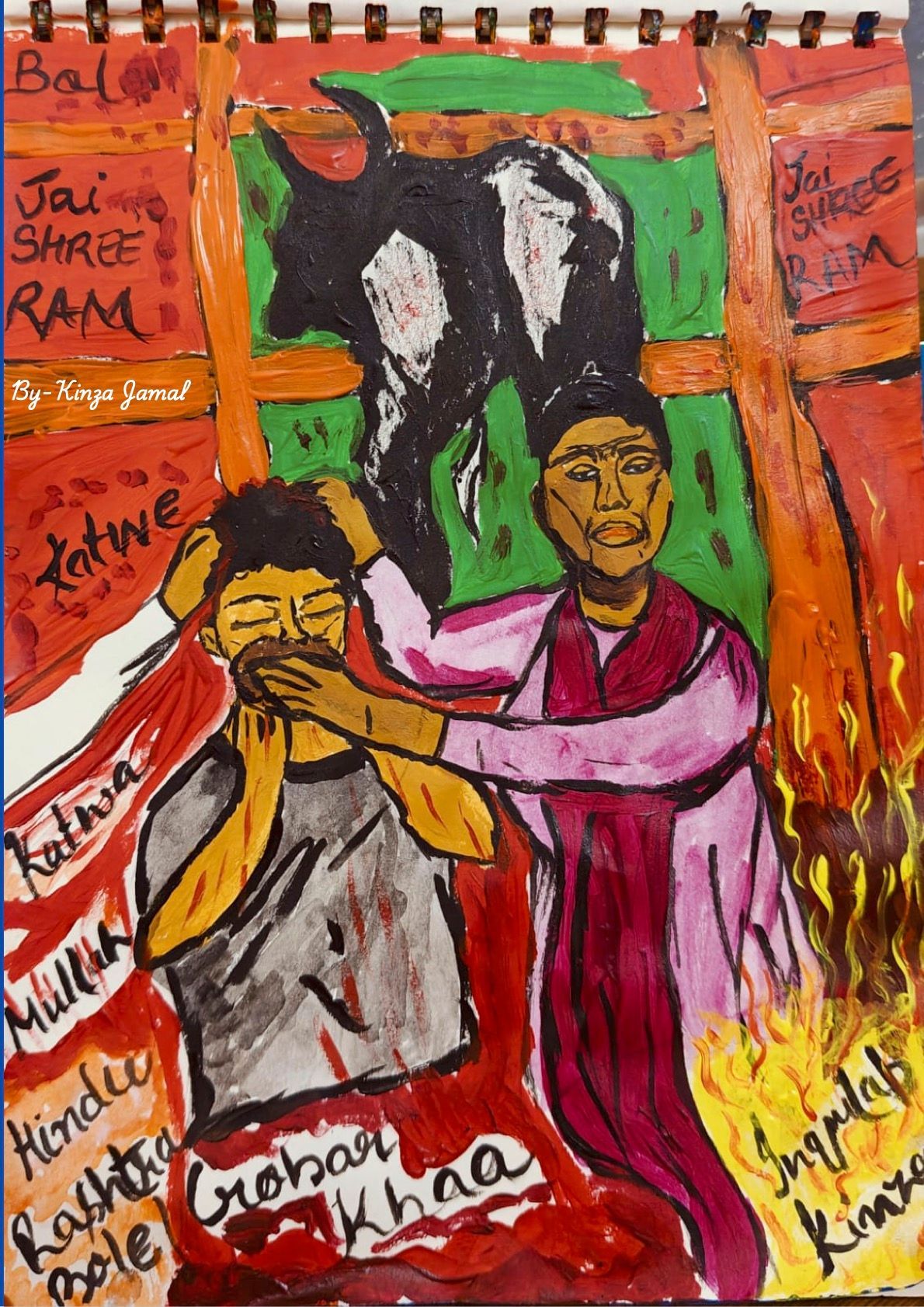
From a very young age I was introduced to the Slurs like Katwa (a male who has undergone circumcision), Katwi (a female who has undergone circumcision). My ex oppressive caste partner (belonging from Mishra caste) used to call me "Katwi", "Tum saale mullay and mulli" etc. He used to say, "Katwi saali tuje aur teri maa ko r’ndi bazaar mei ch’dwaunga, tere har jagah l0’da ghuswaunga aur teri maa ke bhi" (You Katwi, I will make sure to get you and your mother raped from everywhere in a brothel where there will be penis forcefully inserted in every part of your body).
This is a glimpse of the violence I have experienced from a young age. To read more:
https://femasiamagazine.com/katwa-katwi-mulli-mullay-miya-momden-jihadi-normalised-slurs-used-against-indian-muslims-from-the-cradle-to-their-graves-in-india/
From the link given above of linktree you will get to see more of the experiences which contributed to where I am in life.
My lived experience of systemic oppression shapes the body of my work, writings, activism, choices, and needs. Currently working as Regional Manager of South Asia in The Possibilities collective, direct influence of my lived experience of the marginalization I face in my home country. According to Genocide Watch president Gregory Stanton, who had warned of the Rwandan genocide five years before it happened, has warned the same for India against Indian Muslims, especially coming from marginalized caste in 2022. The rise of violence in the current state of affairs is clear evidence of what Indian Muslims are going through, even if it doesn’t touch the global mainstream news platform; our lived realities are full of horror. I have various intersectional layers of marginalization, i.e., from my autism and other neurodivergence to existing as a Queer Muslim and Pasmanda (people who were from indigenous communities and were left behind after several exclusionary policies in India).
My formative years were full of domestic violence, casteism and gender-based violence.
As I have taken an oath of not betraying myself and transforming the purpose of my life to eliminate self-hatred, which means being complicit through silence, indirectly and directly enabling corruption, capitalism, colonialism, and casteism for temporary financial security. This is where I refuse to participate and choose a new path of being. While I pay the price through social exclusion and financial insecurity, I am willing to experience a deep transition of unlearning and unbecoming what I was trained to be, while embodying hope for all and not giving up. Moreover, choosing relevant spaces helps me co-create a world without borders and centre abolitionist care and decenter the Eurocentric approach towards regional issues, forming a web of care and knowledge resources which are required in real-time, especially now.
I am an active witness to various kinds of violence, with and around me. I am striving to unlearn this white supremacy, casteism, and ableism and foreground working against it to contribute my part in the decolonial movement in a more conscious, ethical way. Bringing narrative practices and indigenous care practices to the forefront in human rights, conflict, and justice, as this has always been in my organic nature of forming relations. The generational trauma of opportunity theft has been passed down to me. The inter-generational trauma of opportunity theft has been passed down to me. The inaccessibility/instability of opportunities of my parents led to their exclusion from any discussion, advocacy regarding their lived experiences and now mine. We all deserve the right to access knowledge resources involving Human Rights.
My political activism, social justice, gender expertise, research, communication, program management and art for resistance seek to prevent gender-based and identity-based violence to dismantle ‘us versus them’. I want to include marginalized voices through my intersectional feminist work and co-build a safer space for all. I am actively participating in the deconstruction of dominant discourses to enable anti-oppressive dialogues, centring decolonial movements, and co-building collective liberation for all.