Reflections from a community mental health practitioner in Cameroon – Nguty Stella
Community-based mental health is not merely the decentralization of clinical services. It is a different way of understanding where knowledge, healing and mental-health solutions come from, and it requires communities to be treated not only as beneficiaries, but as knowledge holders, partners and co-creators.
For me, this understanding began personally. My journey into mental health work was deeply connected to my own healing. After experiencing the loss of a twin pregnancy and other miscarriages, I began confronting parts of my story I had kept compartmentalized for years. Experiences of sexual assault and abuse from secondary school resurfaced. There were periods when I felt numb and disconnected from myself.
Healing taught me something I now carry into my work:
what we see on the surface is rarely the whole story.
That lesson changed how I look at people. mIn community work, I have encountered situations where a behaviour becomes the entire story. A girl who has a child outside marriage may quickly be labelled a “mistake.” But what if there is abandonment underneath that choice? A longing for a father’s love? Family wounds? A search for reassurance, belonging or presence?
This does not mean every behaviour has the same explanation. It means we should become curious before we become judgmental. There is often a story behind the behaviour.
Mental Health Is Not Separate from the Community
In Cameroon, mental health is shaped by family, poverty, gender expectations, violence, unemployment, spirituality, education, relationships and access to care. These are not separate from mental health; they are part of the environment in which mental health is experienced. We also have something powerful that formal mental-health systems sometimes overlook: community. Elders support younger people. Older youth support those coming behind them. Families, friends, faith communities and informal networks often become the first places people turn when they are struggling.
The question, therefore, is not always, “How do we bring mental health to this community?” Sometimes it is:
“What does healing already look like here?”
And then:
“How can professional practice strengthen what is already working without erasing it?”
That question has challenged some of my own assumptions as a practitioner.
Culture Is Not Always the Barrier — Sometimes We Are
I have encountered beliefs that mental illness is caused by witchcraft, and I have also encountered the assumption that psychology and spirituality must exist in completely separate worlds. My response has not been to mock or dismiss spiritual interpretations. In many communities, spirituality is part of how people understand suffering, identity and healing. Psychological practice can engage that reality while maintaining professional boundaries, safety and evidence. But I have also had to examine myself.
There were times when I tried to make interventions look more sophisticated, more technical or more “Western,” as though something familiar to the community could not possibly be powerful enough. That taught me an important lesson about cultural competence.
Cultural competence is not simply knowing that culture exists. It requires humility, the willingness to let the community influence how we understand distress, communicate, build trust and approach healing.
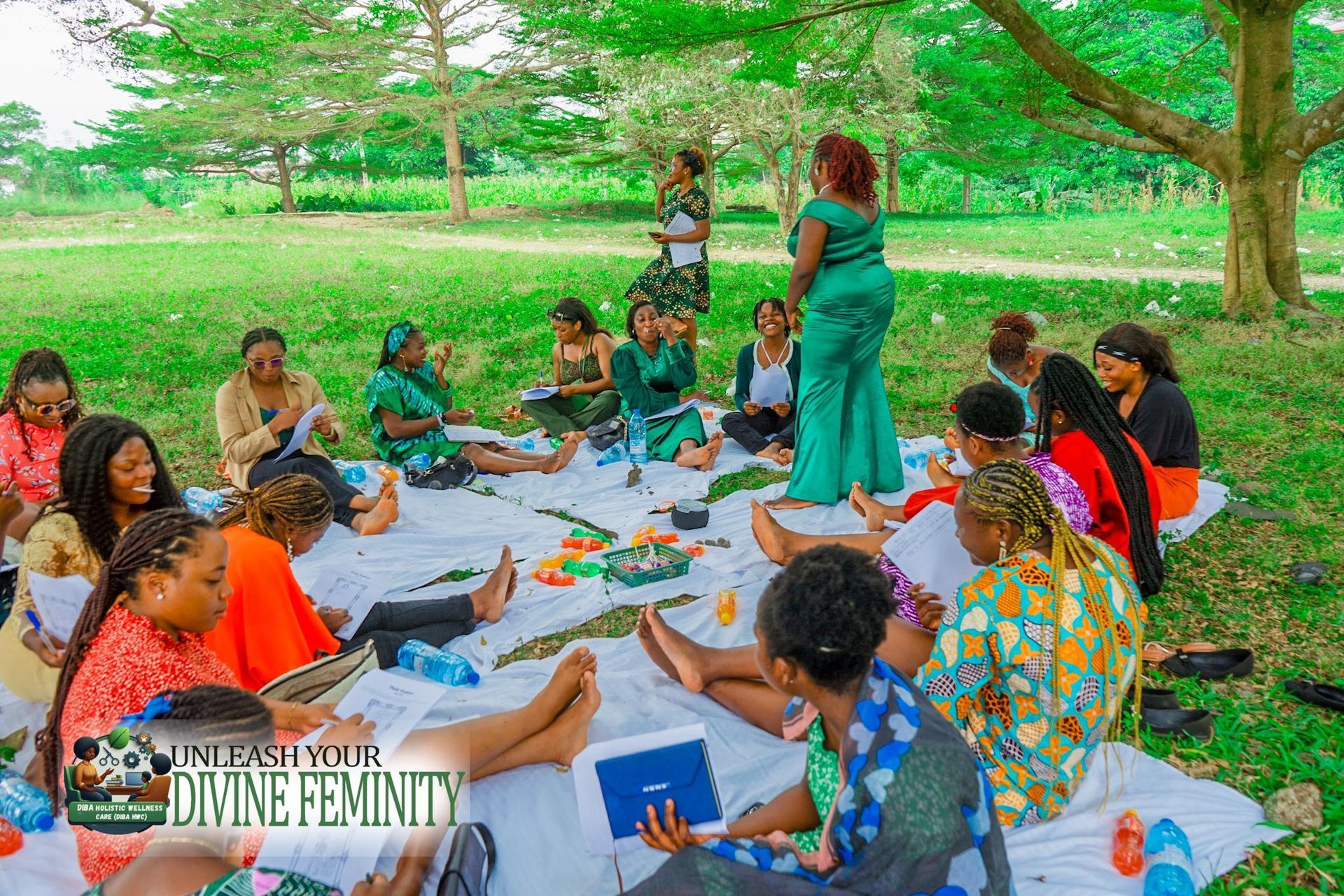
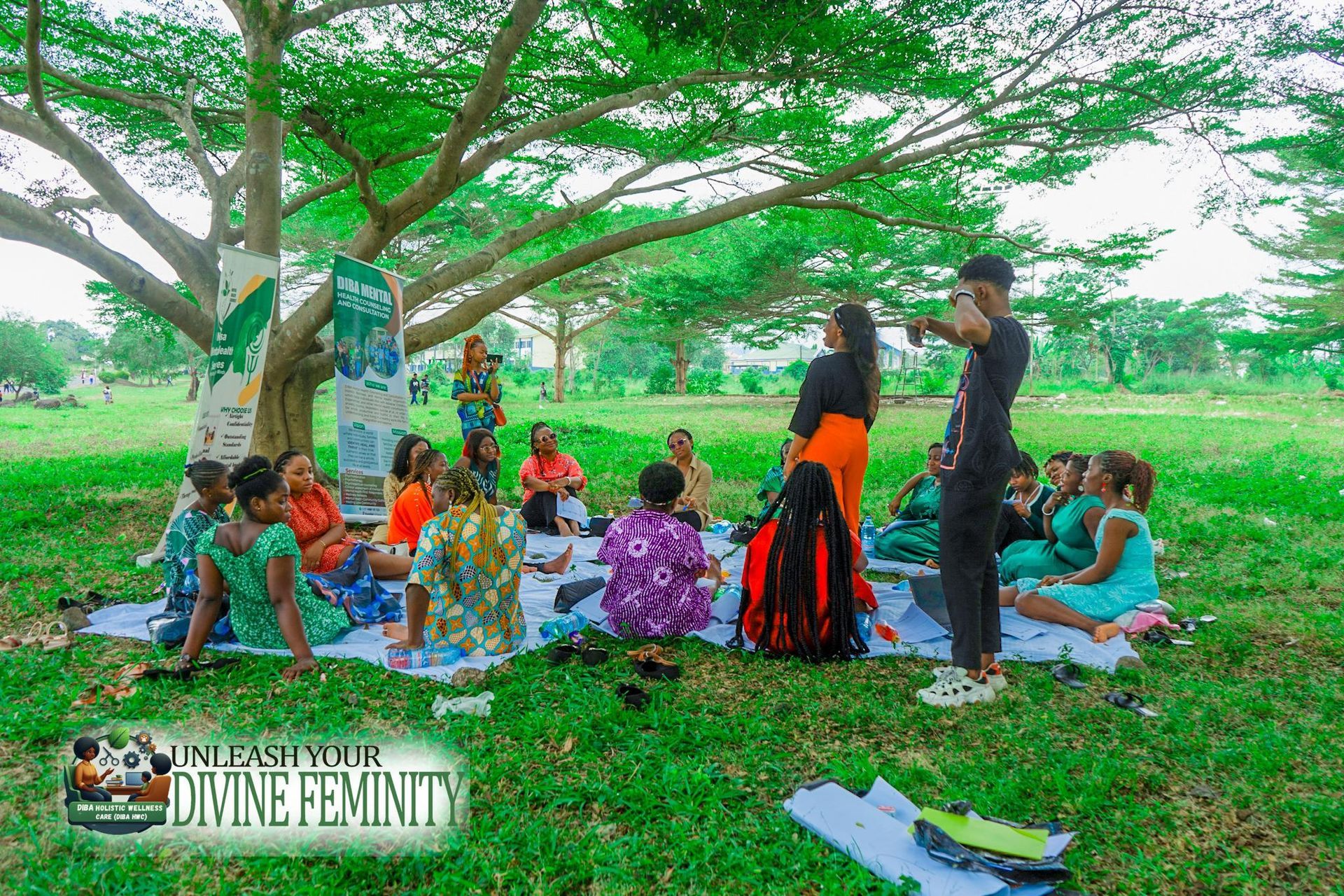
In Cameroon, healing may look like movement, dance, singing, breathing, walking barefoot in nature, sitting with someone who listens, or an elder helping a younger person make sense of an experience. Not every traditional or community practice is automatically therapeutic, and cultural responsiveness does not mean abandoning evidence or professional standards. But evidence should not become an excuse for dismissing community knowledge either. The question I increasingly ask is:
What does this community already know about surviving, connecting and healing, and how can professional knowledge meet that wisdom?
Sometimes We Make Things More Complicated Than They Need to Be
One of the things community work has taught me is that simple does not mean ineffective, be it “Breathing. Conversation. Movement. Belonging. Walking. Being listened to. Having language for what you feel.” These practices can become meaningful entry points into mental and emotional wellbeing, particularly when they are adapted to people's realities. My work has increasingly included somatic practices, movement and dance, breathwork and nature-based approaches, not because they are alternatives to professional mental-health care, but because they can make care more accessible, culturally meaningful and connected to the whole person.
This is especially important when we think about prevention. Mental health should not become visible only when there is a crisis. It belongs in families, schools, workplaces and communities. We should be able to talk about grief, youth relationships, violence, substance use, family breakdown, isolation and hopelessness before they become emergencies.
GBV Taught Me That Prevention Is Part of Mental Health Care
My work around gender-based violence has reinforced this for me. You cannot counsel someone out of an unsafe environment. Psychological wellbeing is connected to safety, relationships, social circumstances, economic realities and access to justice and protection. Mental-health responses therefore need to sit alongside prevention, education, protection, referral and advocacy. Education can help communities recognize warning signs earlier. Parents can become more aware of how trauma affects children. Young people can learn where to seek help. Survivors can encounter systems that believe them rather than blame them. Communities can begin to recognize that violence is not simply a private matter.
Prevention is mental health care.
We should not have to wait for a national crisis before recognizing the need to educate, prevent and respond.
Research Must Listen Too
The same principle applies to research. Too often, researchers enter communities, collect information, analyse it and leave. Yet communities already know things that data alone may not reveal. They know what hurts, they know what they have tried, they know whom they trust, they know which language makes sense and which interventions feel disconnected from their realities.
Communities should not only be sources of data.
They should be partners in producing knowledge.
Behind every dataset are individuals trying to understand their experiences, find support and feel seen, heard and valued. Research becomes more meaningful when lived experience helps shape the questions we ask, the evidence we collect and the solutions we develop.