Beyond Mindfulness, Towards Connection: Reimagining Youth Mental Health Through Nature, Co-Creation and Culture.
Peris Mutena is a student at Egerton University, Kenya. She is also a mental health advocate and Founder of Mindful Moments Generation. Peris was a Fellow in the 2025 GenMH University Mental Health Fellowship and focused her time on launching Mindful Moments, an innovative eco-wellness initiative supporting the Egerton student community (and beyond).
Peris recently published her first solo publication in PLOS Mental Health titled 'Re-imagining students healing, power and belonging through eco-therapy based peer-led action'. In this blog, Peris shares some of her key reflections on mindfullness, reimagining post-colonial systems and the ripple effect of community-led support.
You probably wonder why people tell you ‘breathhhh’ as the first response to panic, probably because you need to come back to the present moment. When most people hear the word mindfulness, they imagine someone sitting cross-legged in silence, meditating under a tree or trying to "empty their mind." While meditation is one way to practise mindfulness, it is far from the whole story.
My grade 10 cousin said to me, ‘ohh so you teach people how to breath right.’ Well, while I was glad I could somewhat explain this concept to a young girl, I knew clearly there is so much to learn about mindfulness..
Mindfulness is simply the practice of intentionally paying attention to the present moment without judgment. It is noticing your thoughts, emotions, bodily sensations and surroundings as they are, rather than becoming consumed by yesterday's regrets or tomorrow's worries.
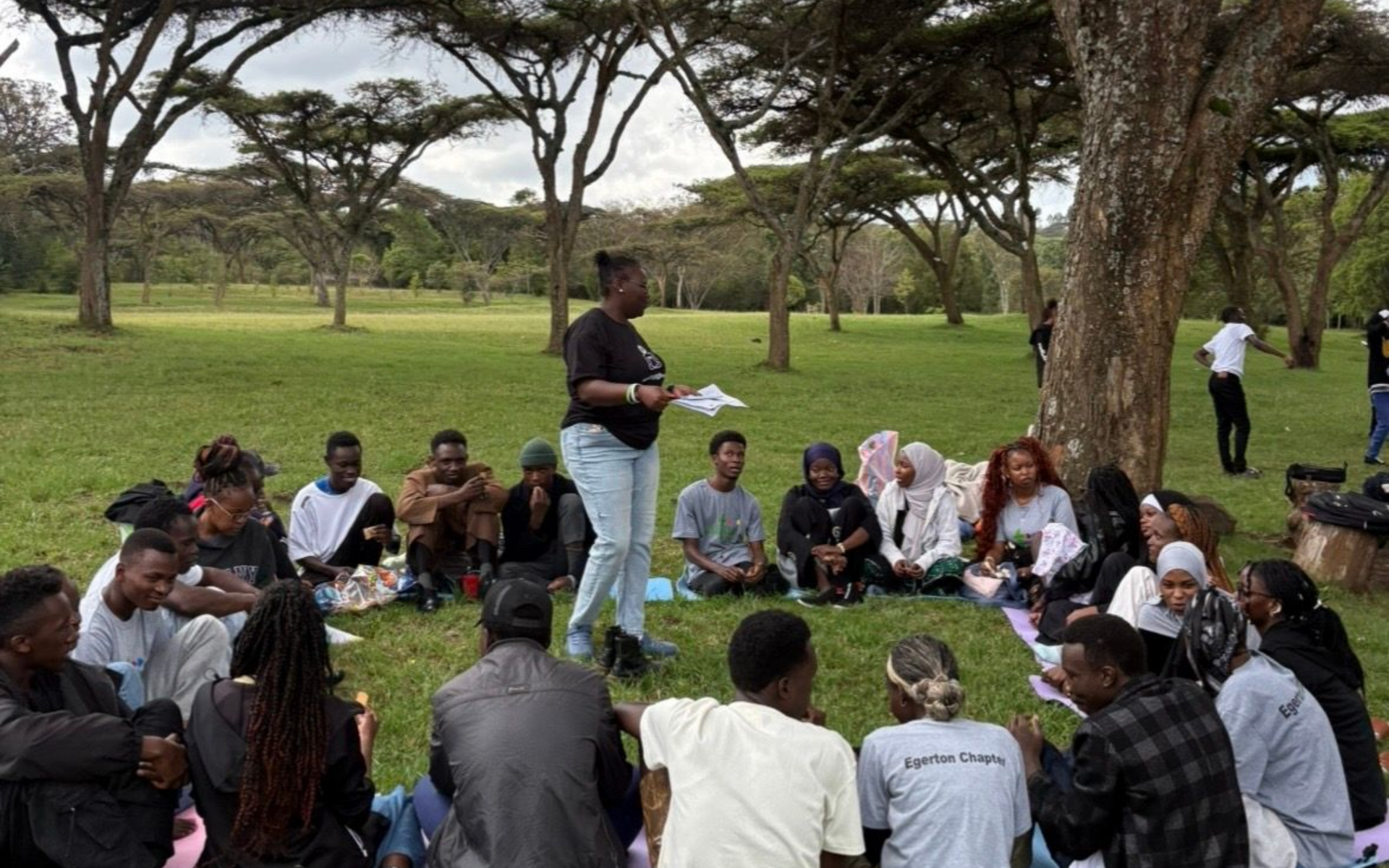
The beautiful thing about mindfulness is that it doesn't have to happen on a meditation cushion. It can happen while walking to class, feeling your feet meet the ground, listening to birdsong, watering plants, tending a garden, sharing a meal with friends or taking three intentional breaths before opening your laptop. Mindfulness is less about stopping your thoughts and more about changing your relationship with them.
Yet, for many young people today, being present feels almost impossible. From meeting deadlines to constantly being stimulated on social media.
University students are navigating academic pressure, financial strain, social expectations, uncertainty about the future and an almost constant expectation to remain productive. Over time, these pressures contribute to anxiety, burnout, loneliness, emotional exhaustion and a growing sense of disconnection not only from ourselves but also from our communities and the environments around us.
Perhaps this is why we need to rethink not only how we support young people's mental health, but also where healing happens and who gets to shape it.
Reimagining Peer Support Through Eco-Therapy
For many years, peer support has centred on conversation. Having someone who listens without judgment remains incredibly valuable. But what if healing could extend beyond talking?
Eco-therapy as a whole offers one possible answer.
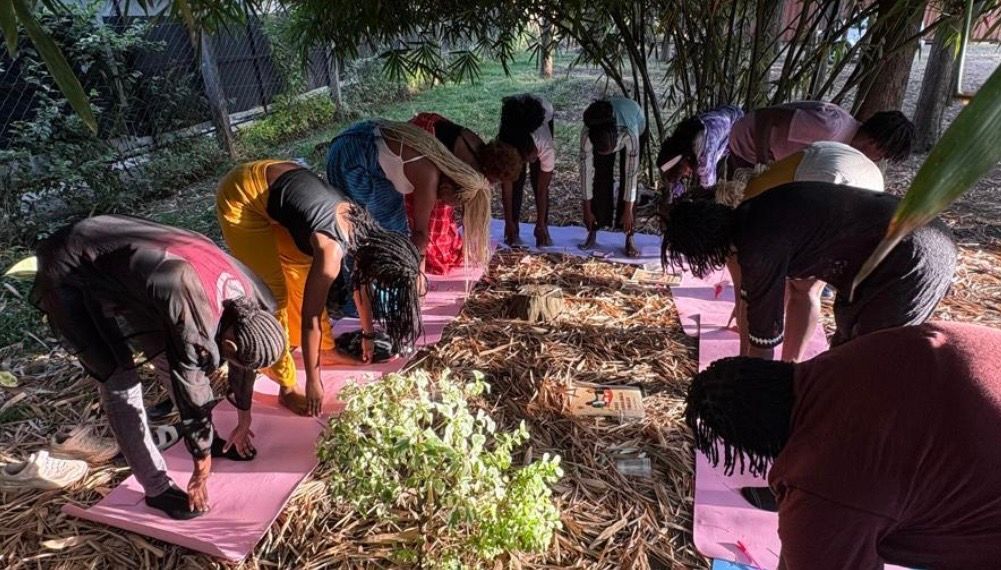
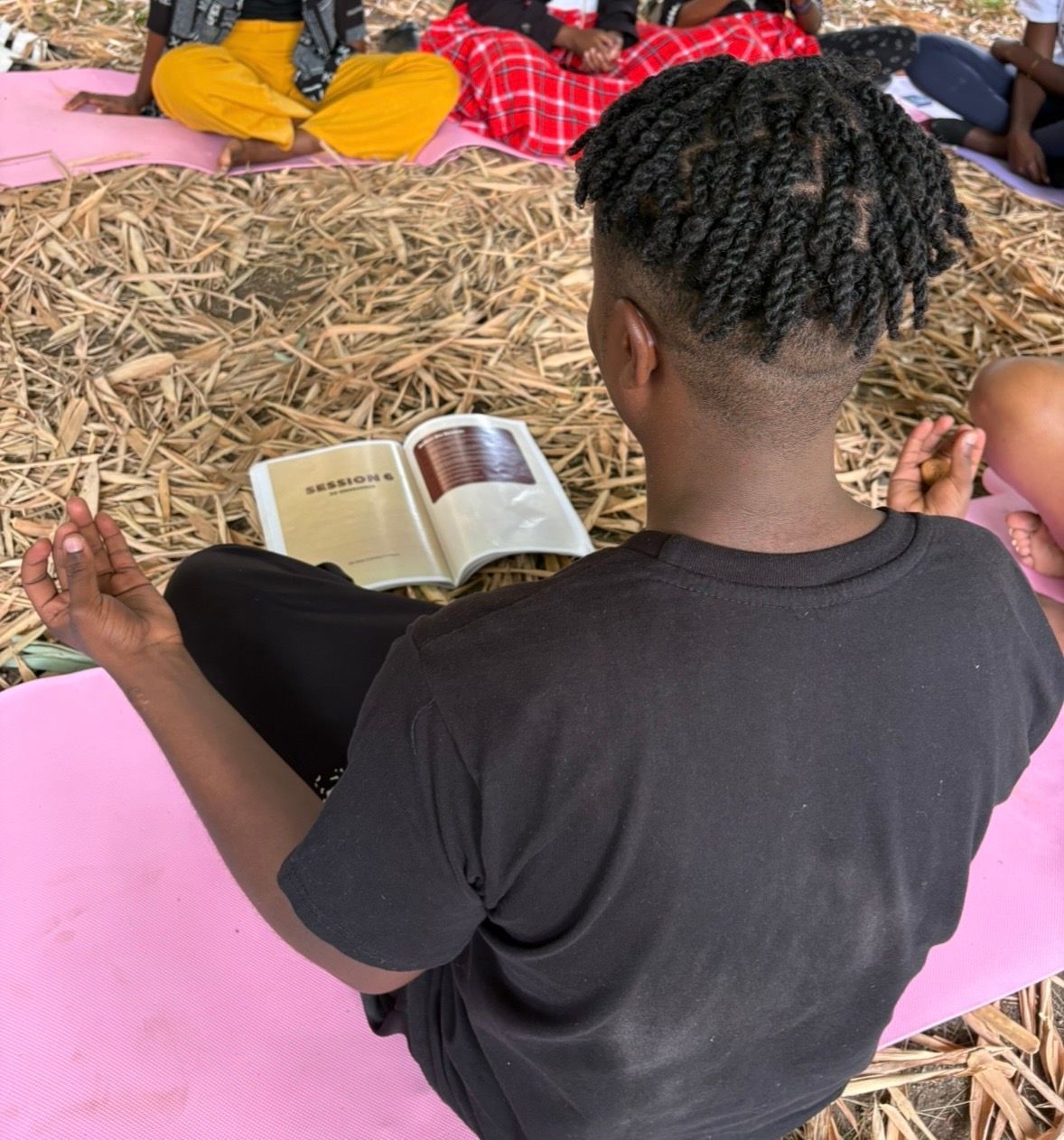
Eco-therapy recognises that human wellbeing is deeply connected to the natural world. Activities such as mindful walking, outdoor reflection, gardening, sensory awareness, tree planting or simply spending intentional time in green spaces become opportunities to reconnect with ourselves while strengthening relationships with others.
This is particularly important for university students and even the general population. Nature-based activities can help reduce stress, restore attention after long periods of cognitive overload, improve emotional regulation and foster a greater sense of belonging. They also provide gentle spaces where students experiencing anxiety, burnout, loneliness or overwhelming academic pressure can pause before distress reaches crisis point.
Importantly, eco-therapy is not a replacement for counselling or psychiatric care. Rather, it complements existing mental health services by offering accessible, preventative and community-based approaches that promote wellbeing through connection with ourselves, with one another and with the natural environment.
From Participants to Co-Creators
If we want mental health programmes to truly serve young people, they cannot simply be designed for them.
This is where co-creation becomes essential.
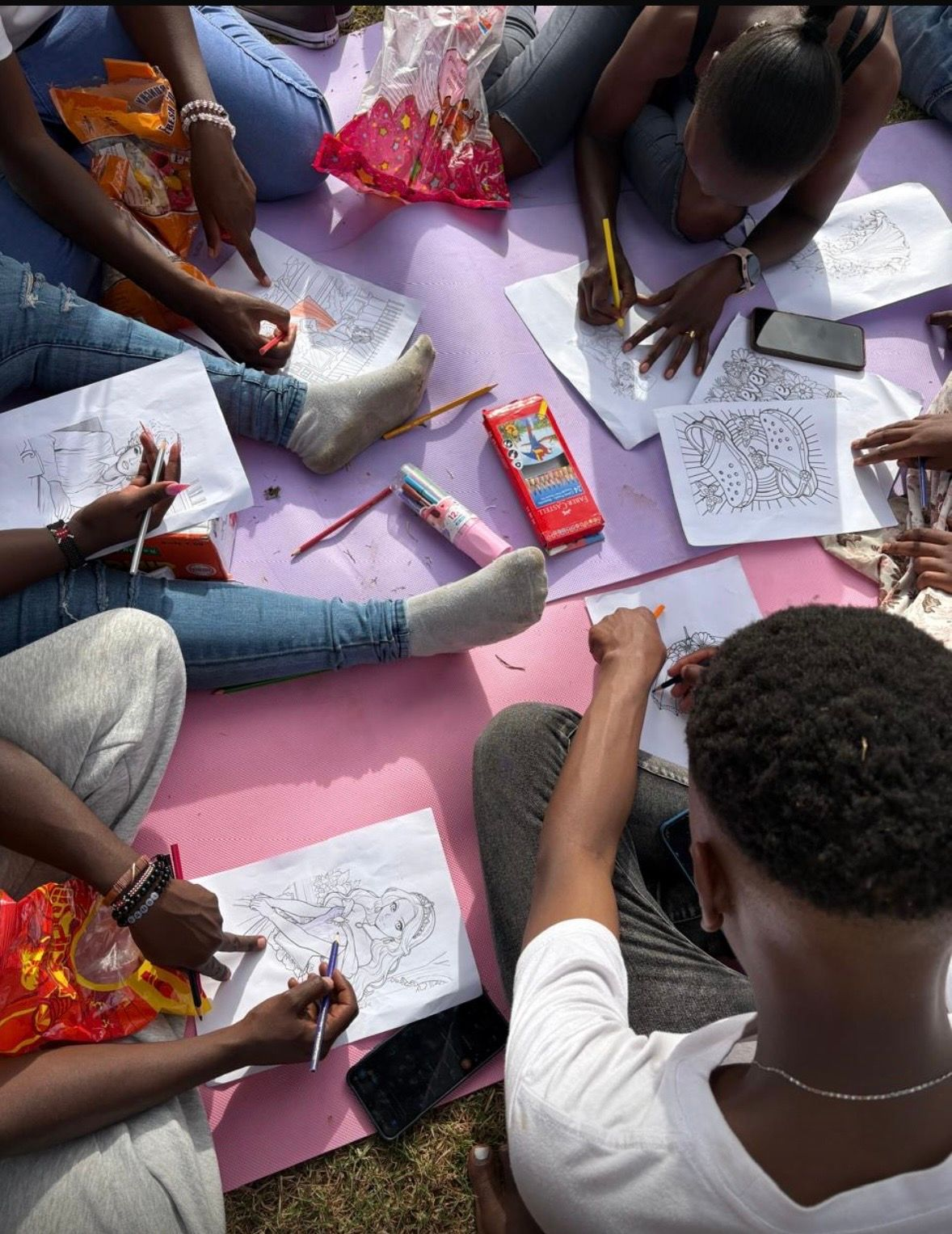
Co-creation means involving young people as equal partners from the very beginning. Instead of being passive recipients of services, they help identify priorities, design activities, facilitate peer spaces and evaluate what works. Within an eco-therapy framework, this could mean students organising mindful walks, creating campus gardens, leading reflection circles, designing wellbeing activities that reflect their realities or initiating environmental stewardship projects that also strengthen community wellbeing.
When young people help build systems of care, those systems become more relevant, trusted and sustainable. Co-creation also nurtures confidence, leadership and agency by reminding young people that they are not simply people who need support, they are also capable of creating it.
Building Mental Health Systems Without Reproducing Colonial Structures
As we rethink mental health, we must also ask an important question: Whose knowledge counts when we talk about healing?
Across Africa, many formal mental health systems continue to rely heavily on imported models developed in very different cultural and historical contexts. These approaches have made invaluable contributions to understanding mental illness, but when they become the only recognised framework, they can unintentionally overlook local realities and long-standing community knowledge.
For generations, many African communities have understood wellbeing as deeply relational. Healing has often involved storytelling, communal gatherings, movement, spirituality, connection with land and collective responsibility. Wellbeing was not simply about reducing symptoms but about restoring balance between individuals, their communities and the environment.
Recognising these traditions does not mean rejecting science or romanticising the past. Instead, it means acknowledging that psychological science and Indigenous knowledge can exist alongside one another, each offering valuable insights into what it means to heal.
Avoiding the reproduction of colonial systems therefore requires more than adding cultural elements to existing programmes. It requires changing who holds power in designing them.
Too often, organisations develop interventions, consult communities briefly and then return with predetermined solutions. While well intentioned, this can repeat colonial patterns where expertise is assumed to come primarily from outside the community.
Instead, communities and especially young people should be recognised as knowledge holders and co-creators. They should help define what wellbeing means, identify meaningful practices and shape how programmes are implemented and evaluated.
At the same time, Indigenous knowledge should never be extracted from its cultural context and repackaged as the latest wellness trend. Practices such as storytelling, relationships with nature or communal care should not be separated from the communities that have preserved them for generations. Ethical collaboration requires reciprocity, shared decision-making and genuine partnership.
It is also important to recognise that not everyone experiences nature in the same way. Access to green spaces is influenced by poverty, disability, urbanisation, safety and environmental injustice. Eco-therapy should therefore complement, not replace efforts to address the structural factors that contribute to psychological distress.
Ultimately, culturally responsive mental healthcare is not about choosing between Western psychology and Indigenous knowledge. It is about creating dialogue between different ways of knowing so that mental health systems become more inclusive, equitable and relevant to the realities of the people they serve.
The Ripple Effect
When young people reconnect with themselves through mindfulness, with one another through peer support and with the environment through eco-therapy, the benefits extend far beyond individual wellbeing.
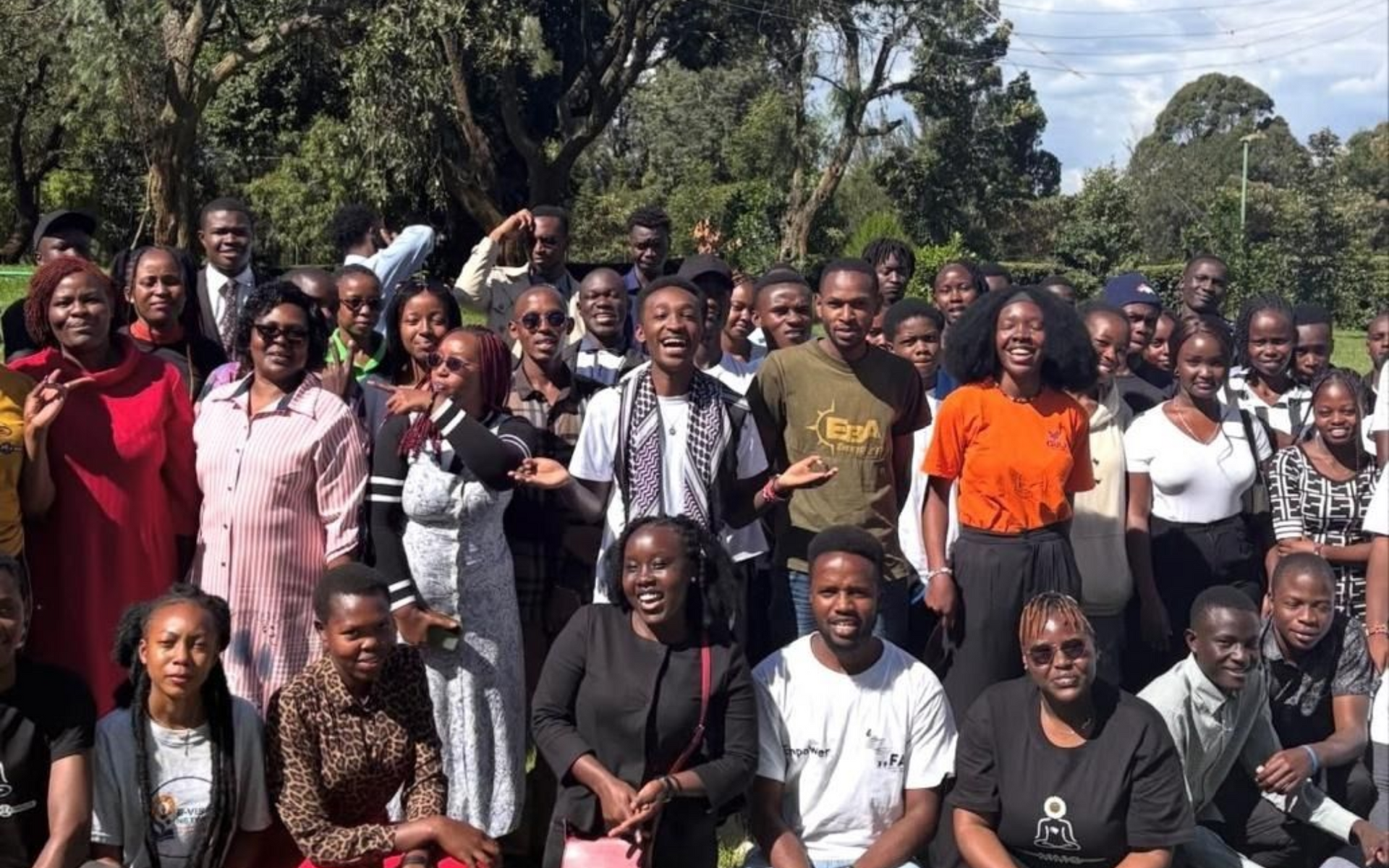
Students become more emotionally aware, more socially connected and more invested in caring for the environments that support their wellbeing. Universities become more than places of learning; they become communities of care where wellbeing is created collectively rather than delivered as a service.
Supporting youth mental health is therefore about more than expanding counselling services. It is about creating spaces where connection, belonging and participation become part of everyday life.
Perhaps the future of mental healthcare lies not in choosing between science and culture, or between professional services and community support. Perhaps it lies in bringing them together.
Because healing rarely happens in isolation. It happens in relationships; with ourselves, with one another and with the world that has always held us.